
The automotive landscape is experiencing a profound transformation. On one hand, urban centers are witnessing a shift toward sustainable mobility solutions like e-bikes and shared transportation. On the other, car enthusiasts continue to push the boundaries of vehicle performance through modifications, tuning, and upgrades. Understanding both these worlds—whether you’re considering ditching your daily driver for two wheels or planning your first brake upgrade—requires navigating technical complexity, legal requirements, and safety considerations.
This comprehensive resource connects the essential topics within modern automotive culture. From the practical considerations of urban commuting alternatives to the intricate details of performance modifications, we’ll explore what drives these choices, how to approach them safely, and what pitfalls to avoid. Whether your interests lean toward environmental responsibility or extracting every ounce of performance from your vehicle, the foundational knowledge here will help you make informed decisions.
Urban transportation is undergoing a fundamental rethinking. Cities worldwide are grappling with congestion, air quality concerns, and the need for more efficient use of limited space. For many commuters, the question isn’t whether to embrace alternative mobility, but which option fits their lifestyle and how to transition safely.
Transitioning from a car to an e-bike for daily commuting represents more than just swapping vehicles—it’s a lifestyle shift. The typical urban commute of 5 to 15 miles falls squarely within an e-bike’s sweet spot, where pedal-assist technology makes distance and hills manageable without arriving drenched in sweat. The decision often hinges on practical factors: dedicated bike infrastructure in your area, weather patterns, and whether your typical cargo fits in panniers or a bike trailer.
Consider the total cost perspective. Beyond the obvious fuel savings, parking fees evaporate, insurance costs drop dramatically, and maintenance becomes a fraction of automotive expenses. However, the initial equipment investment matters—choosing between a hub motor versus a mid-drive system, determining necessary battery capacity, and selecting weather-appropriate accessories requires understanding your specific use case rather than simply picking the cheapest option.
The environmental case for alternative mobility extends beyond tailpipe emissions. Even accounting for battery production and electricity sourcing, e-bikes demonstrate a significantly smaller carbon footprint than conventional vehicles. The health dimension adds another layer: regular cycling improves cardiovascular fitness, even with electric assist, since riders typically increase their overall active time rather than simply reducing effort.
Safety in mixed traffic environments remains the primary concern for potential switchers. Understanding traffic patterns, using dedicated infrastructure when available, and investing in visibility equipment—not just legally required lights, but reflective clothing and daytime running lights—transforms abstract risk into manageable reality.
For those who stay with four wheels, vehicle modification represents personal expression, performance enhancement, or both. The modification landscape ranges from subtle cosmetic touches to comprehensive performance builds, each with distinct considerations regarding legality, safety, and value.
The psychology behind personalization runs deeper than mere aesthetics. Your vehicle becomes an extension of identity, a rolling statement of priorities—whether that’s track-day capability, show-quality presentation, or functional improvements for specific use cases. Understanding this motivation helps explain why enthusiasts invest significantly in modifications that may not increase resale value.
The distinction between cosmetic and performance modifications isn’t always clear-cut. A lowered suspension alters appearance but also affects handling dynamics and ride quality. Wider wheels look aggressive yet change steering feel and potentially stress drivetrain components not designed for that footprint. The key lies in understanding cascading effects—every change influences multiple vehicle systems.
Performance-focused modifications demand respect for engineering limits. Increasing engine output without upgrading braking capacity creates obvious danger. Adding power without addressing cooling systems leads to reliability issues. Successful builds maintain balance across systems rather than maximizing any single parameter.
The temptation of cheap parts is understandable—modification costs accumulate quickly. However, critical safety systems demand quality. Budget brake pads might use inferior friction materials that fade dangerously under hard use. Knockoff suspension components may lack proper quality control, leading to failure. The rule of thumb: components that keep the car controlled, stopped, or structurally intact justify premium investment.
For starter builds, prioritize strategically. Spending available budget on proper tires—the only contact patch between vehicle and road—yields more real-world benefit than cosmetic additions. A quality alignment and fresh fluids often improve driving experience more noticeably than bolt-on parts of questionable provenance.
Performance modification attracts enthusiasts with promises of improved capability, but understanding what each upgrade actually achieves—and what it compromises—separates successful builds from expensive mistakes.
Upgrading braking capability serves dual purposes: increased safety margins for spirited street driving and essential preparation for track use. The physics of brake fade explains why stock systems struggle under repeated hard braking—heat buildup reduces friction material effectiveness and can even boil brake fluid, leading to vapor lock and pedal loss.
Selecting appropriate friction materials involves matching compounds to use case. Street-oriented pads prioritize cold performance and low dust, while track pads require higher operating temperatures to achieve optimal friction but may perform poorly when cold. The compromise? Many track enthusiasts maintain separate wheel sets with different pad compounds, swapping based on intended use.
Brake fluid selection matters more than many realize. The differences between DOT 3, DOT 4, and DOT 5.1 fluids primarily involve boiling points—wet and dry. Higher-performance fluids resist boiling under extreme conditions but are more hygroscopic, meaning they absorb moisture from the atmosphere more readily. This necessitates more frequent fluid changes, typically annually for performance applications versus the standard multi-year intervals.
Timing your fluid flush coincides with performance demands. Before track days, fresh fluid provides maximum boiling point protection. For street-only vehicles, changing fluid based on time rather than mileage accounts for moisture absorption even with low use.
Aerodynamic modifications attract enthusiasts with promises of improved high-speed stability and efficiency, yet misapplication often increases drag while providing negligible benefit. The fundamental principle: aerodynamic devices only function effectively when airflow, speed, and vehicle design align properly.
The mythology surrounding spoilers deserves clarification. That large wing might look impressive, but without corresponding front downforce, it simply unloads the front tires at speed, potentially destabilizing the vehicle. Think of it like a seesaw—pushing down the rear lifts the front unless you add weight forward. Proper aerodynamic balance requires considering the entire vehicle, not isolated components.
Installing splitters correctly involves more than bolting on a lip. A splitter generates downforce by creating a pressure differential—low pressure underneath, higher pressure above. This requires the splitter to be properly sealed and positioned at the correct height. Too high, and airflow simply passes beneath ineffectively. The material choice between carbon fiber and fiberglass often matters less than rigidity and mounting strength—a flexing splitter loses effectiveness.
Widebody kits present aesthetic appeal but carry functional consequences. Increased frontal area raises drag, impacting top speed and fuel economy. The wider stance can improve tire contact during cornering but may stress suspension components and increase unsprung weight if not engineered properly.
Engine control unit tuning represents one of the most impactful modifications available, capable of transforming throttle response, power delivery, and fuel economy. Modern engines often leave performance on the table from the factory due to emissions regulations, fuel quality variations across markets, and component longevity targets that prioritize warranty costs over maximum output.
Understanding air-fuel ratios forms the foundation of tuning knowledge. The stoichiometric ratio of 14.7:1 (air to fuel) represents complete combustion, but optimal ratios vary by load and objective. Slightly richer mixtures provide more power but consume more fuel; leaner mixtures improve economy but risk detonation under load. Quality tuning adjusts these parameters across the entire operating range, not just wide-open throttle.
The choice between piggyback modules and full ECU flashing involves trade-offs. Piggyback systems intercept and modify sensor signals going to the factory ECU, offering easier installation and reversibility. Full flashing rewrites the ECU’s programming directly, allowing more comprehensive changes but potentially complicating warranty claims and requiring specialized equipment.
The process of bench flashing—removing the ECU and programming it outside the vehicle—provides more reliability than on-car flashing for major changes, eliminating the risk of interrupted programming from battery voltage drops or connection issues. However, it requires more time and technical capability.
Modification enthusiasm must navigate regulatory frameworks designed to ensure vehicle safety and emissions compliance. Requirements vary significantly between jurisdictions, with European TÜV standards, North American DOT regulations, and various regional inspection protocols each imposing distinct requirements.
Understanding decibel limits for exhaust systems prevents expensive citations and failed inspections. Most jurisdictions specify maximum sound levels at specific RPM ranges and distances. What sounds perfect to enthusiast ears often exceeds legal thresholds, particularly with aftermarket exhaust systems that remove sound-dampening components.
Ride height measurements factor into inspection compliance, as excessive lowering can affect headlight aim, reduce suspension travel to unsafe levels, or position vehicles below bumper height regulations. Measuring from specific chassis points to the ground, inspectors verify minimum clearances that vary by vehicle class.
Window tinting regulations balance occupant privacy against law enforcement visibility and nighttime driving safety. Visible light transmission percentages determine legality, with stricter limits typically applying to front side windows than rear glass. Violations often trigger secondary inspections even when other modifications comply fully.
Preparing for inspection with modified vehicles requires documentation. Receipts proving parts meet relevant standards, engineering certifications for major modifications, and emissions test results demonstrating continued compliance create the paper trail that smooths the inspection process. Proactive preparation—addressing obvious issues, ensuring all lighting functions properly, verifying emissions equipment remains intact—prevents avoidable failures.
The modification journey, whether toward sustainable urban mobility or enhanced vehicle performance, rewards knowledge and careful planning. Understanding the technical foundations, respecting safety margins, and navigating legal requirements transforms enthusiasm into successful outcomes. Each topic covered here represents a deeper rabbit hole worth exploring based on your specific interests and goals—the key lies in building foundational understanding before diving into specialized areas.

Passing a vehicle inspection with modifications is less about the physical parts and more about mastering the invisible regulatory framework behind them. Legal compliance hinges on a verifiable “paper trail” like CARB EO numbers, not just a part’s appearance or…
Read more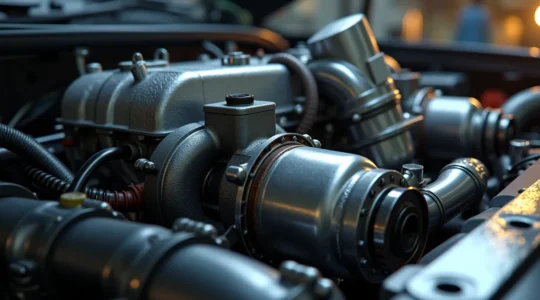
The key to fuel economy through remapping isn’t just software; it’s a calculated engineering decision that balances performance gains against long-term reliability and warranty risks. Manufacturers detune engines by up to 30% to create a safety margin for various global…
Read more
Contrary to popular belief, most aftermarket aerodynamic parts increase drag far more than they improve downforce, actively slowing your car down and worsening fuel economy. Effective aerodynamics is a science of managing airflow with precision, focusing on the Lift-to-Drag (L/D)…
Read more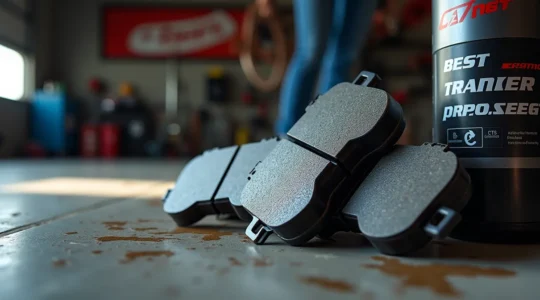
The secret to effective, budget-friendly track braking isn’t buying expensive parts; it’s correctly diagnosing your system’s single weakest link—usually fluid or pads—and making a targeted upgrade. Brake fade is not one problem, but several (fluid, pad, knock-back) requiring different solutions….
Read more
Modifying your car doesn’t have to be a gamble against your insurance company; it’s a matter of strategic risk management. Treat every modification as a documented investment, not just a purchase, by keeping all receipts and certifications. Communicate proactively with…
Read more
Switching to an e-bike is more than a purchase—it’s a strategic upgrade to your personal mobility system that saves time, money, and stress. Success depends on matching your e-bike’s motor and features to your specific route’s challenges, like hills and…
Read more