
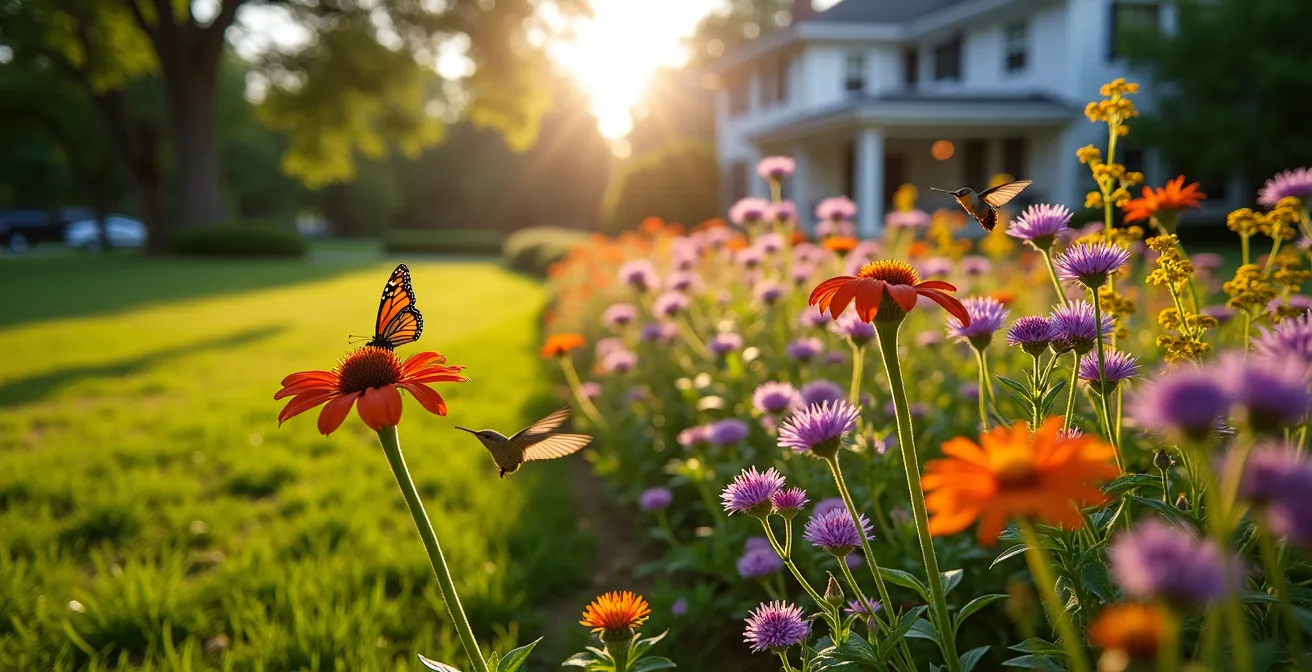
The key to a thriving pollinator garden isn’t letting your yard become a messy, pest-filled thicket; it’s actively engineering a beautiful, self-regulating ecosystem.
- A traditional grass lawn is a “food desert” that harms local wildlife and wastes resources.
- Choosing specific native plants, perennials, and keystone species creates a resilient, year-round habitat that supports the entire food web.
Recommendation: Start by replacing a small, manageable section of your lawn with a curated selection of native perennials to build a functional, beautiful, and low-maintenance ecological oasis.
The image of the perfect suburban yard is deeply ingrained: a flawless, uniform carpet of green. It’s a symbol of order and care. But from an ecological perspective, this monoculture is a sterile environment, a food desert for the bees, butterflies, and birds that are crucial to a healthy ecosystem. Many well-intentioned homeowners want to help, but the common advice to simply “let your garden get messy” often conjures fears of an unkempt jungle that attracts ticks, rats, and the disapproval of neighbors.
This is where a crucial shift in mindset is needed. Creating a pollinator sanctuary is not an act of neglect; it is an act of intelligent design. The goal is not to create chaos, but to become an ecological engineer, crafting a balanced, functional habitat that is largely self-sustaining. It’s about replacing the high-maintenance, low-value lawn with a dynamic system that offers a succession of blooms, provides shelter for beneficial insects, and naturally manages pests.
This guide will walk you through the principles of this transformation. We will explore why the conventional lawn fails, how to select the powerhouse native plants that form the backbone of your new ecosystem, and how to plan a garden that provides continuous support for wildlife from the first thaw of spring to the last days of autumn. Forget the idea of a “messy” yard; it’s time to create a living landscape that is both beautiful and profoundly functional.
This article provides a complete roadmap for your project. To help you navigate, the summary below outlines the key steps, from understanding the problem with lawns to planning your garden for year-round success.
Summary: Your Guide to Engineering a Pollinator Paradise
- Why Your Perfect Green Lawn Is a Food Desert for Bees?
- How to Choose Native Plants That Survive Drought and Feed Birds?
- Perennials vs Annuals: Which Provides Better Habitat Year-Round?
- The Garden Center Mistake That Introduces Invasive Weeds
- How to Plan a Garden That Blooms From March to October?
- Beyond Flowers: Creating Structural Habitat for Nesting and Shelter
- Welcoming “Good Bugs”: How a Balanced Ecosystem Manages Pests
- Putting It All Together: Your First Steps to an Ecological Oasis
Why Your Perfect Green Lawn Is a Food Desert for Bees?
That pristine green lawn, while aesthetically pleasing to some, is the ecological equivalent of a parking lot. It’s a monoculture, typically of non-native grasses, that offers virtually no pollen or nectar, the essential food sources for bees, butterflies, and other pollinators. Worse, maintaining this perfect green carpet often involves a cocktail of herbicides to kill “weeds” like clover and dandelions—which are actually vital early-season food for bees—and pesticides to eliminate grubs. This chemical dependency has a devastating impact on local wildlife. In fact, recent NSF research reveals a 43% decline in bee populations in areas with high pesticide use.
These lawns also demand immense resources, particularly water, without providing any functional benefit to the ecosystem. The shallow root systems of turf grass do little to prevent runoff or build healthy soil. By contrast, converting even a small portion of a lawn to a native plant habitat can have a dramatic and immediate positive effect. The benefits go far beyond just feeding bees; you are creating the foundation for a complex and resilient local food web.
Consider the real-world impact seen in large-scale projects. The city of Phoenix’s native plant program provides a stunning example. By converting traditional lawns into landscapes filled with native species, the program not only cut municipal water use by 30% but also boosted pollinator diversity by an incredible 45% in just a single year. These rewilded areas also supported 35 times more bird species than the turfgrass they replaced, proving that letting go of the “perfect” lawn is the first step toward creating a truly living landscape.
How to Choose Native Plants That Survive Drought and Feed Birds?
The secret to a successful and low-maintenance pollinator garden is choosing plants that belong there. Native plants are species that have co-evolved with the local climate, soil, and wildlife for millennia. Their root systems are adapted to local rainfall patterns, making them exceptionally drought-tolerant once established. More importantly, they are the specific food source that native insects, and the birds that eat those insects, depend on for survival. A non-native decorative plant is like a plastic apple to a hungry caterpillar; it might look nice, but it provides no nourishment.
To build a functional ecosystem, you must think beyond just nectar for adult butterflies. You need to provide host plants—the specific plants that caterpillars need to eat. Without caterpillars, there are no butterflies, and crucially, there is very little food for baby birds. An oak tree, for instance, is a keystone species that can support over 500 different species of caterpillars, making it a veritable bird feeder. By planting native milkweed, you provide the only food source for Monarch caterpillars, directly contributing to the survival of that iconic species.
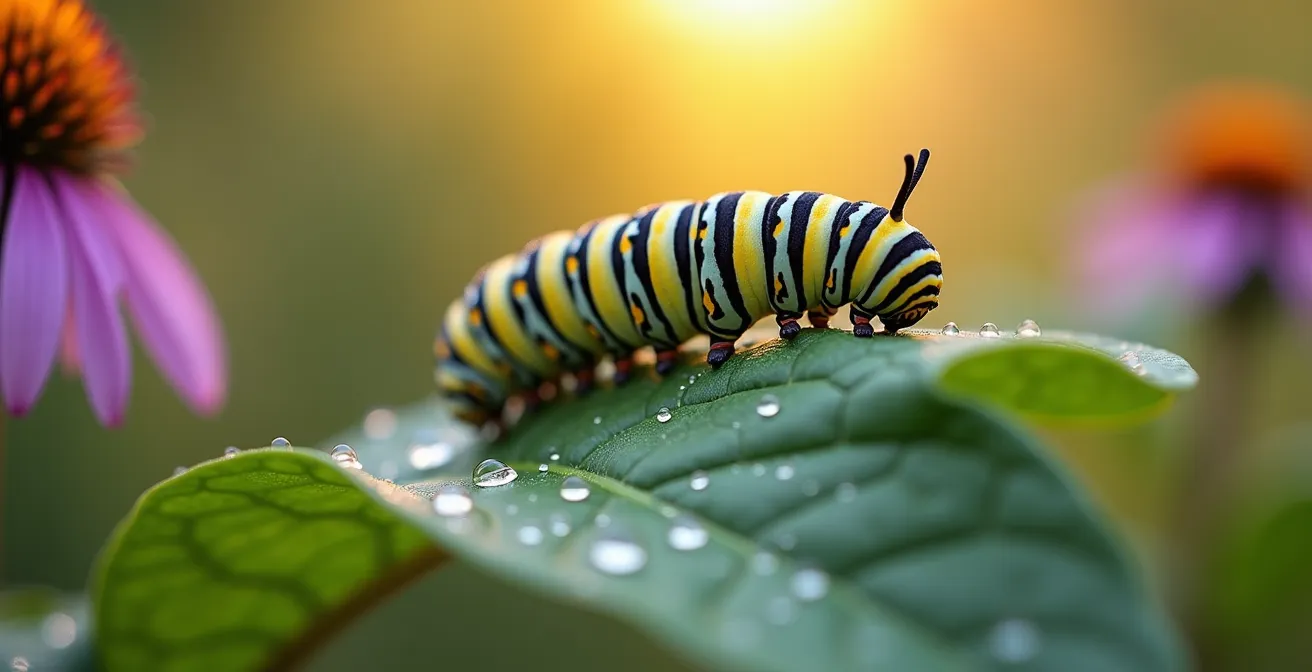
Focusing on these powerhouse native plants is the most efficient way to make a significant ecological impact. A single native perennial can support dozens of species, providing food, shelter, and nesting sites all at once. Below is a list of essential native plants that provide outsized benefits, supporting the complete lifecycle of numerous pollinators and birds.
- Oak trees (Quercus species): A true superstar, supporting 500+ caterpillar species that are essential food for baby birds.
- Native milkweeds (Asclepias): The required host plant for Monarch butterflies and a nectar source for over 11 bee species.
- Goldenrod (Solidago): Provides crucial late-season nectar for migrating Monarchs and supports 59 specialist bee species.
- Native grasses and sedges: Act as host plants for skipper butterflies and provide critical overwintering cover for beneficial insects.
- Blazing star (Liatris): A drought-tolerant favorite that attracts 27 bee species with minimal water needs.
- Mountain mint (Pycnanthemum): A top performer in pollinator trials, attracting a huge diversity of honeybees, native bees, butterflies, and beneficial wasps.
Perennials vs Annuals: Which Provides Better Habitat Year-Round?
When planning your garden, one of the key decisions is the balance between perennials and annuals. While annuals can provide a quick burst of color, native perennials are the undisputed champions of habitat creation. Because they return year after year, they invest energy into building deep, extensive root systems. These roots not only make them more resilient to drought but also improve soil structure and water absorption, reducing runoff. Their true power, however, lies in their specialized relationships with local wildlife.
Research consistently shows that native plants are far more effective at supporting pollinators. In fact, a Penn State study demonstrates that native plants are four times more attractive to native pollinators than non-native cultivars. This is because their flowers, nectar composition, and bloom times are perfectly synchronized with the needs of local bee and butterfly species. An annual from another continent simply cannot replicate these intricate, co-evolved relationships.
Perennials also provide critical structural habitat throughout the year. Their sturdy, hollow stems become nesting sites for solitary bees, while their seed heads provide a vital food source for birds like goldfinches and chickadees through the cold winter months. An annual garden, by contrast, is typically cleared away in the fall, leaving a bare patch of earth with no food or shelter. By prioritizing native perennials, you are building a permanent, functional ecosystem, not just a temporary floral display.
Case Study: The Power of a Single Perennial
To understand the impact, consider the Purple Coneflower (Echinacea purpurea). A 2019 University of Vermont study found this single native perennial attracts 27 different bee species. Its robust structure provides a perfect landing platform for pollinators, while its long blooming season from June to September makes it a reliable food source for a wide array of bees, butterflies, and even birds that eat its seeds. This demonstrates how one well-chosen perennial can support more biodiversity than an entire flat of non-native annuals.
The Garden Center Mistake That Introduces Invasive Weeds
Navigating a commercial garden center can be a minefield for the eco-conscious homeowner. Many plants are marketed as “pollinator-friendly” but are, in reality, ecological traps. The most common mistake is choosing highly manipulated cultivars over their wild, native ancestors, known as “straight species.” Cultivars are bred for human-pleasing traits like double flowers or unusual colors, often at the expense of their ecological function. Double-flowered varieties, for example, often have so many petals that bees and butterflies cannot physically access the nectar and pollen. In many cases, these plants have been bred to be completely sterile.
This is critically important because of the specialized diets of most insects. As the Penn State Center for Pollinator Research highlights:
90% of native insects (like butterfly caterpillars) can only eat plants they have co-evolved with for thousands of years
– Penn State Center for Pollinator Research, Pollinator Habitat Certification Guidelines
An even more insidious threat is the hidden presence of systemic pesticides. Many nursery plants are pre-treated with neonicotinoids, a class of insecticide that permeates the entire plant—from its roots to its pollen and nectar. When a bee feeds on a treated plant, it ingests a neurotoxin that can be lethal or impair its ability to navigate and reproduce. You could be planting what you think is a pollinator-friendly flower, but it may actually be a poisoned chalice. To avoid these pitfalls, you must become an informed consumer and ask the right questions.
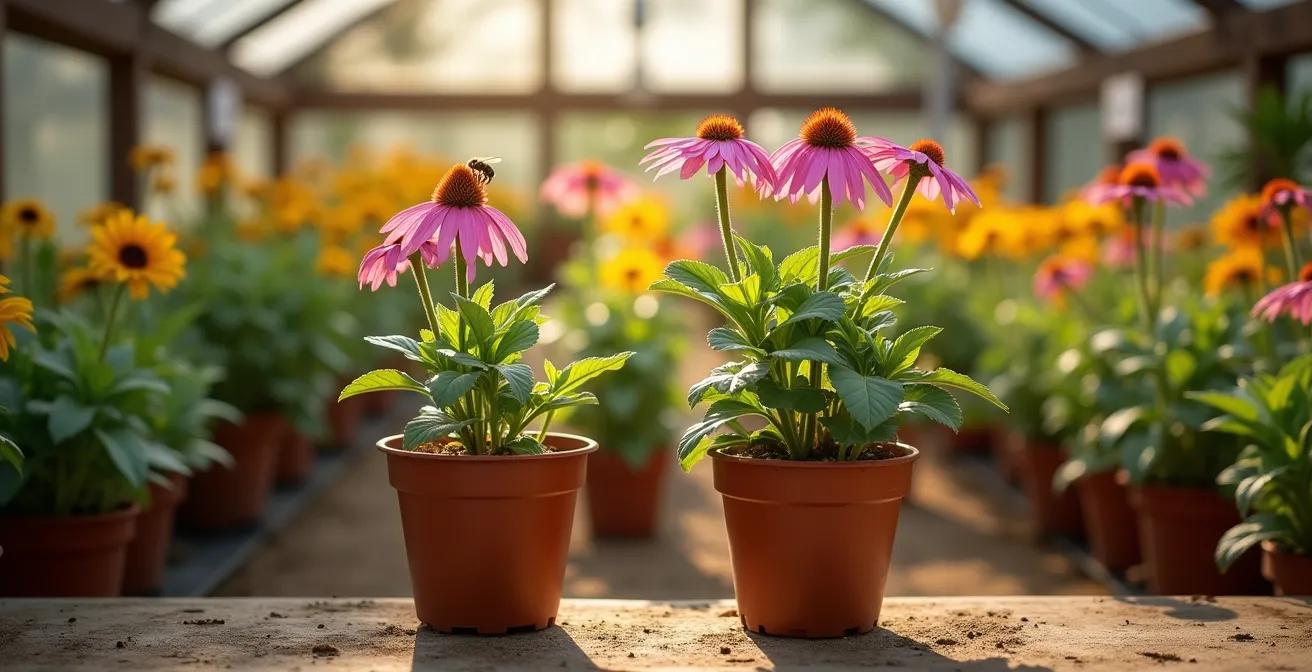
Your Action Plan: Questions to Ask at the Garden Center
- Pesticide Treatment: Ask specifically, “Have these plants been treated with neonicotinoids or other systemic pesticides?” If they don’t know, it’s safer to assume yes.
- Plant Type: Request “straight species” instead of named cultivars (e.g., *Echinacea purpurea* instead of *Echinacea ‘White Swan’*). Avoid double-flowered varieties.
- Origin Verification: Verify the plant is truly native to your specific region, not just generically labeled “wildflower.”
- Seed Source: For best results, ask if the nursery grows plants from local ecotype seeds, which are best adapted to your conditions.
- Soil Integrity: Inquire about the soil source for their potted plants. Some cheap potting soils can contain persistent herbicides or invasive seeds. Opt for nurseries that use high-quality, clean soil mixes.
How to Plan a Garden That Blooms From March to October?
A truly functional pollinator garden operates like a slow-motion buffet, offering a continuous supply of food from the moment the first queen bees emerge in early spring until the last monarch migrates in the fall. This concept, known as bloom succession, is a cornerstone of ecological garden design. It requires planning beyond just a single season of summer flowers. Your goal is to layer plants with different bloom times to ensure there are always multiple food sources available.
Early spring is a particularly critical period. Queen bumblebees and other early-emerging pollinators are desperate for nectar after a long winter, and their survival determines the health of the entire colony for the year. Native trees like willows and maples, along with spring ephemeral wildflowers, are among the first to bloom and are absolutely vital. As the seasons progress, different plant groups take over. Mid-summer is often easy to plan for, with showstoppers like milkweed and coneflowers in full bloom. However, many gardens suffer from a “pollen desert” in late summer and fall.
This is where late-blooming powerhouses like goldenrod and asters become essential. They provide the final, high-energy fuel stop for migrating butterflies and the last provisions for bees preparing for winter. By consciously selecting plants for each part of the season, you create a reliable, resilient habitat. The following table, based on recommendations from organizations like the Xerces Society, outlines a sample succession plan to ensure your garden is buzzing with life all season long.
| Season | Key Plants | Primary Pollinators Supported | Additional Benefits |
|---|---|---|---|
| Early Spring (March-April) | Willows, Maples, Spring Ephemerals | Queen bees, Early butterflies | Critical after winter emergence |
| Late Spring (May) | Wild Lupine, Golden Alexanders | Specialist bees, Swallowtails | Larval host plants |
| Early Summer (June-July) | Milkweeds, Coneflowers, Bee Balm | Monarchs, Bumblebees, Hummingbirds | Peak diversity period |
| Late Summer (August) | Mountain Mint, Joe Pye Weed | Beneficial wasps, Native bees | Natural pest control |
| Fall (Sept-October) | Goldenrod, Asters, Liatris | Migrating Monarchs, Late bees | Overwintering seed heads |
Beyond Flowers: Creating Structural Habitat for Nesting and Shelter
A garden that only offers flowers is like a restaurant with no tables or chairs. To create a complete and functional ecosystem, you must provide structural diversity—the physical spaces where pollinators and other beneficial insects can nest, hibernate, and take shelter. This is where the fear of a “messy” yard can be reframed into an appreciation for a “functional” one. These structural elements are not random clutter; they are essential pieces of ecological architecture.
One of the most impactful and easiest things you can do is to resist the urge to “clean up” in the fall. The standing stalks of perennials like coneflowers, bee balm, and Joe Pye weed are not dead debris; they are the nesting cavities for the next generation of solitary bees. Many species lay their eggs inside these hollow stems, where they safely develop over the winter. The seed heads, meanwhile, become natural bird feeders, providing high-energy food for finches, sparrows, and chickadees when other sources are scarce.
Beyond leaving stems, you can intentionally design other structural features. A small, partially sunlit log pile can become a haven for beetles and a hunting ground for wrens. A designated patch of bare, undisturbed sandy soil is a critical nesting site for the 70% of native bee species that nest in the ground. Even a layer of leaf litter in a garden bed is not just mulch; it’s the overwintering site for queen bumblebees, lightning bugs, and the pupae of countless moths and butterflies. By thoughtfully integrating these elements, you are not creating a mess—you are building a multi-story home for wildlife.
Welcoming “Good Bugs”: How a Balanced Ecosystem Manages Pests
The fear that a natural garden will inevitably attract pests like ticks and rats is understandable, but it’s based on a misunderstanding of how a healthy ecosystem works. A sterile lawn offers no resistance to pests, but a diverse, functional habitat creates a self-regulating system where pests are kept in check by a thriving population of predators. Your goal is to attract the “good bugs”—the beneficial insects that prey on the ones you don’t want.
For example, many species of native wasps, often unfairly maligned, are voracious predators of garden pests like aphids and caterpillars. Plants like Mountain Mint are magnets for these beneficial wasps. By planting them, you are essentially rolling out the welcome mat for a free, 24/7 pest control service. Similarly, ladybugs, lacewings, and hoverflies are all attracted to diverse native plantings, and their larvae consume huge numbers of aphids. A healthy garden is a bustling city of activity, and much of that activity involves predators keeping prey populations from exploding.
As for larger pests, a vibrant ecosystem provides its own solutions. While a messy woodpile right against your house might attract rodents, a well-placed log pile at the back of a yard is more likely to host beneficial beetles and salamanders. More importantly, a healthy habitat attracts predators of ticks and rodents, such as opossums, which are known to consume thousands of ticks in a single season. A sterile lawn provides no habitat for these helpful allies. By engineering a balanced ecosystem, you are not inviting pests in; you are setting the stage for nature to manage itself, creating a more resilient and less worrisome environment for you and your family.
Key Takeaways
- A manicured lawn is a resource-intensive “food desert”; converting it to native plants creates a resilient, low-maintenance ecosystem.
- Prioritize native “keystone” perennials and straight species over sterile cultivars to support the entire food web, from caterpillars to birds.
- Plan for a continuous sequence of blooms from spring to fall and provide structural habitat (like standing stems and log piles) for a fully functional sanctuary.
Putting It All Together: Your First Steps to an Ecological Oasis
Transforming your yard from a sterile monoculture into a vibrant ecological oasis may seem like a daunting task, but it doesn’t have to be. The journey begins not with a massive overhaul, but with a single, manageable step. The core principle is to stop thinking of yourself as a “lawn mower” and start acting as an “ecosystem engineer.” You are not letting go of control; you are simply shifting your efforts from fighting nature to working with it.
The best way to start is small. Choose a small, sunny patch of your lawn—perhaps a 5×5 foot square—and make that your pilot project. Remove the turf, amend the soil with some compost, and plant a handful of the powerhouse native perennials we’ve discussed. Select 3-5 different species with staggered bloom times, such as a spring-blooming Golden Alexanders, a summer-blooming Purple Coneflower, and a fall-blooming Aster. This small patch will become an island of life, a magnet for pollinators that will immediately demonstrate the power of this approach.
As you watch this small garden thrive with minimal input, your confidence will grow. You will see firsthand that a native garden is not a “mess,” but a beautiful, dynamic system filled with life. From there, you can expand your efforts year after year, gradually converting more of your lawn into a functional habitat that saves water, reduces your workload, and makes a genuine contribution to the health of your local environment. This is more than just gardening; it’s an act of restoration.
Begin your journey today by selecting a small patch of lawn to convert. This simple action is the first step toward creating a beautiful, resilient, and life-filled sanctuary right outside your door.